


WELCOME TO TXWML
Feral Hog Control in Spring Branch, TX Next to Protected River Land
Many Spring Branch tracts share a long boundary with river land or protected ground the owner has no say over. Hogs and coyotes can rest there by day and cross onto your property after dark. We focus control on the crossings where they come in and keep pressure on over time.

RIVER COUNTRY
Pressure You Cannot Stop at Your Own Fence
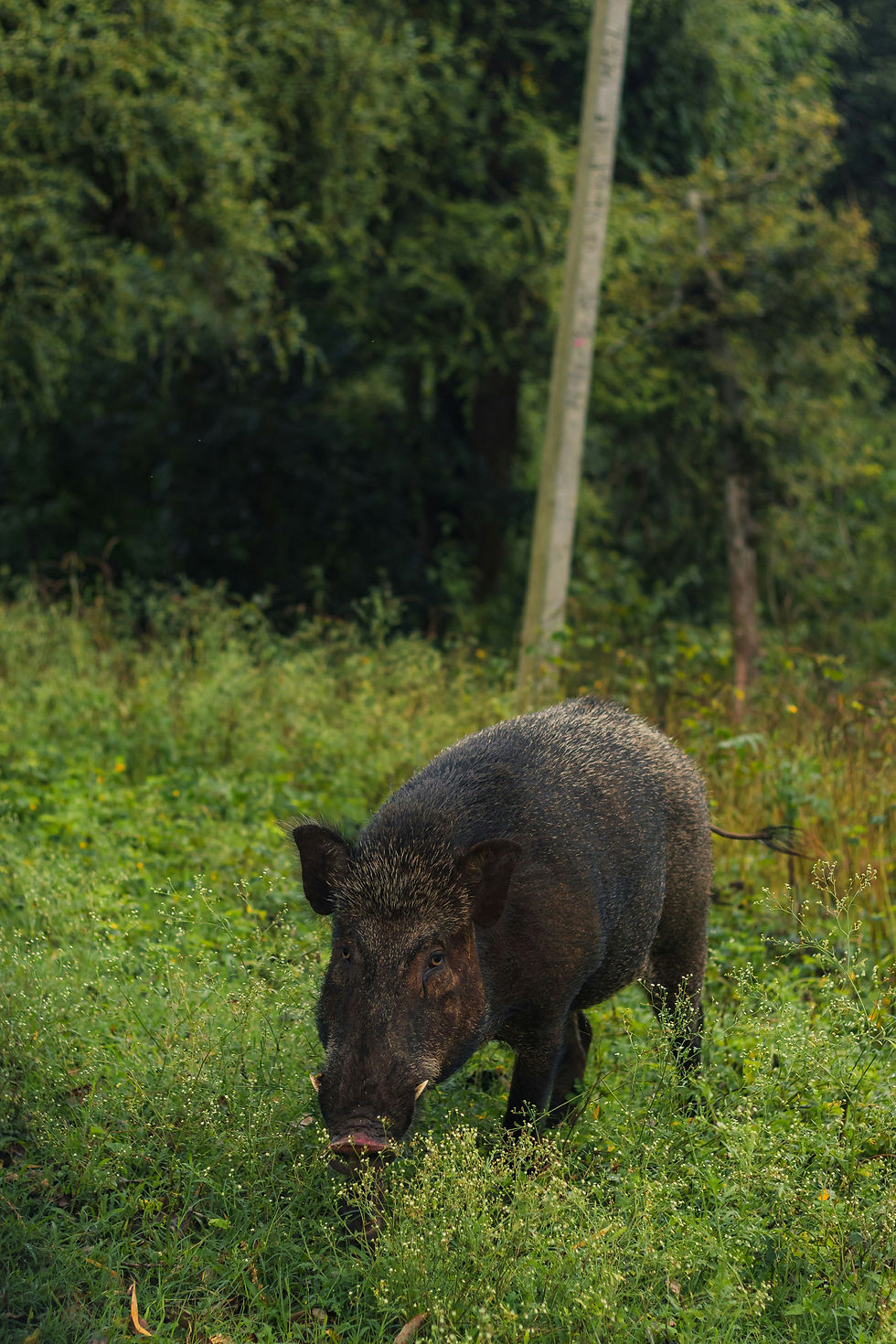
The Guadalupe runs through Spring Branch, and Guadalupe River State Park preserves a large stretch of river, bluffs, and brush next to private acreage. Properties that border large protected or undeveloped land can see heavier wildlife movement, because animals have a place to bed down that nobody is managing. Hogs follow the river and its draws to water and shade, then work outward to feeders, food plots, and pasture. With long shared boundaries, the crossings where they come through the fence are where control does the most.
OUR SERVICES
Two Ways We Keep Pressure Off a River Property
When the source of the problem sits across the fence, control has to happen at the boundary and keep happening.


WHY TXWML
Protected Land Next Door Means Control Has to Keep Going
You cannot remove hogs from land you do not control, so new animals will keep arriving at the boundary. A maintenance schedule, with regular checks for fresh crossings, keeps the damage down year after year.
Kevin Luce owns the company and has hunted and trapped Texas wildlife for more than 30 years. You talk to him directly, and he does the work himself.


They may be coming from any large area of cover near your property, including river bottoms and undeveloped land. We focus on where they cross onto your land.
Yes, on your side of it. Boundary crossings are often the best trap sites.
Properties next to large cover usually need ongoing work. We set a schedule based on how quickly new sign appears.
Yes. River bottoms and bluff edges are common coyote travel routes.
Yes. Tell us your location and acreage and we will discuss the approach.
Yes. On properties in the Managed Lands Deer Program, we help complete the harvest your plan calls for.
Yes. We cover ranch land west toward Bergheim and Highway 46.
Your acreage, what borders it, where you see damage or crossings, and any camera footage.